
FREE shipping within NZ for orders over $100 - Same day dispatch if order is placed before 1pm.
Orders under $100 - Urban: $9.50/Rural: $11.50 within NZ.
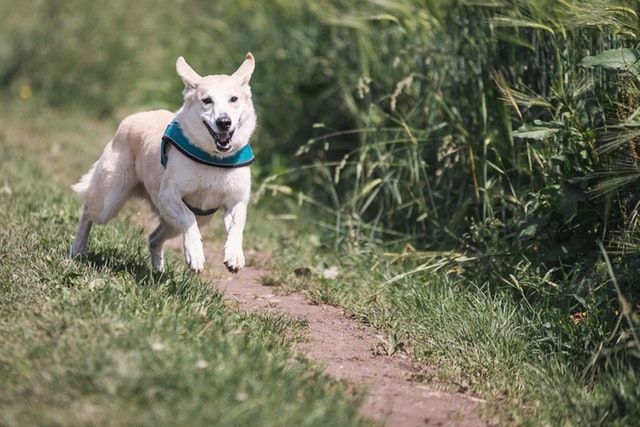
Your pup becomes like part of the family and just like kids growing up, dogs can injure themselves running and jumping about, trying to get rid of some of their energy. And because you become so close with your dog, it can be heartbreaking to see them hurt themselves or limp about in obvious pain.
The good thing is, if you know how to deal with common injuries early on, you can help your pet onto recovery quickly. Also, if you know how to look after your pups joints, it’s likely you can prevent or at least put off the onset of joint conditions like DJD, so your dog can move freely well into old age.
Dogs spend a large amount of their day running around on their toes with their ankles raised and knees slightly bent. This can cause a lot of strain on their joints, bones, muscles, ligaments and tendons. It’s quite common for a dog to sprain something after a slip, fall or jump and can be painful for your pup.
A sprain can be mild or severe and if you suddenly notice your dog limping, he may have incurred a sprain. Keep an eye on him to see if it persists or if it goes away and comes back. If it persists, a trip to the vet is necessary to get it checked out and they may recommend anti-inflammatory drugs. There are also some herbal options if you prefer, like Turmeric and corydalis. A heated pack or ice pack can also help, alongside rest.
A muscle tear is usually the weakest part of a tendon that gets torn and can be very painful for your dog. Another common muscle tear is a tear of the iliopsoas muscle, which can occur after chasing a ball or another high impact movement. Depending on the level of the muscle tear, your dog may show signs of; being extremely tired even with little exercise, pain in the leg or back, or they avoid putting weight on one side.
Your vet may recommend; muscle relaxants, acupuncture, cryotherapy, massage therapy or even laser therapy. Anti-inflammatory drugs may be enough for a minor muscle tear, but your vet will decide on the course of action depending on the severity.
An example of DJD is osteoarthritis, which is the permanent degradation of the cartilage around the joints. Another example is arthritis, which is the inflammation of the actual joints. Older dogs are more at risk, but it can start earlier in some dogs. Some signs your dog may have DJD are; a rigid stiff gait, a reduced level of activity or motion and repeated lameness.
There is no actual cure for DJD, but it can be reduced and controlled and if given supplements early on, it can delay the onset. Help your dog with DJD by; reducing their weight if carrying excess, regular daily exercise and giving a herbal supplement containing glucosamine, chondroitin and omega-3 which will help support joints.