
FREE shipping within NZ for orders over $100 - Same day dispatch if order is placed before 1pm.
Orders under $100 - Urban: $9.50/Rural: $11.50 within NZ.
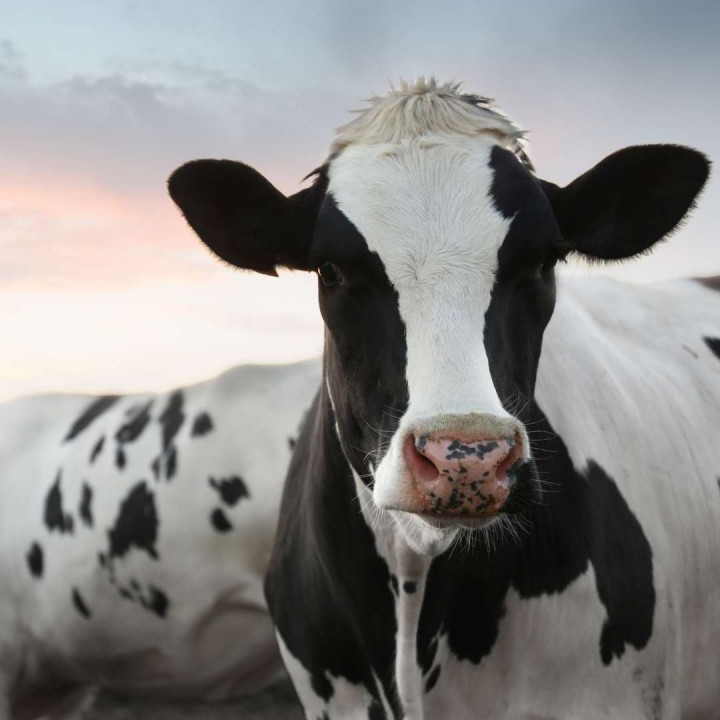
Many of our customers are farmers and rural lifestyle people; they tend to be very aware of the importance of diet for their livestock, to maintain stock health for production and growth rates which are at the very heart of the economics of a farm.
In New Zealand we have a number of examples where trace elements and mineral deficiencies have resulted in animal health issues, the cattle sick country in the central north island plateau is a case in point.
Cattle farming was not an option until it was discovered there was a cobalt deficiency in the soil; this cobalt deficiency was health compromising for cattle; this discovery has made it possible to farm and raise beef on the plateau and also dairy farm on a grand scale in recent times.
Selenium is another similar example of regional trace element deficiencies; some areas in New Zealand are deficient in selenium. This results in increased risk of inflammatory conditions, immune disorders, accelerates the aging process, cardiovascular health issues and cancers and is also linked to compromised eye health. Once again adding selenium to the livestock diet was all it took to resolve these health compromising issues.
There is a school of thought that links breast cancer to selenium deficiencies; this school of thought believes that adequate selenium in a woman’s diet may significantly reduce breast cancer risks by as much as 80-90%.
New Zealand is geologically very young, Europe and the Americas had experienced vast areas of glaciation; ice two or three miles deep as glaciers ground stone containing trace elements into very fine powders. As the glaciers receded the minerals and trace elements were combined with natures vegetation compost to eventually become topsoil in the fertile regions that became the food baskets of the world; the great plains of Canada, America, east and western Europe.
As we are geologically young our mountains have not been eroded by this process to the same extent; this combined with recent volcanic activity in some areas has left our soils deficient of some trace elements and minerals through the food chain.
Another example of these deficiencies is the Waikato River valley flood plains, one of the most highly productive dairy producing areas of New Zealand with yet another deficiency. In this region there is a copper deficiency which is health compromising for livestock.
It is interesting to note the symptoms for humans of copper deficiency include frequent illness, anaemia, brittle bones, osteoporosis, low body temperature, constant feeling of cold, poor colour (pale), arthritis and fatigue.
Copper deficiencies affect haemoglobin production, red blood cells, nerve function and health; copper is the third most common mineral in our body’s, it must be ingested within our diet as we are incapable of producing it any other way. Foods rich in copper include vegetables, whole grains and cereals, beans, fish, seafood including mussels and oysters, nuts and seeds.
Our food chain starts in the atmosphere, oceans, rivers and soils that nurture the crops, our livestock and what we consume; the life cycle takes CO2 and converts this into oxygen and carbon chains of various combinations that are the food we ingest. The deficiencies of trace elements and minerals in the food chain impact on us, our pets, livestock and crops.
Another example of a New Zealand deficiency is zinc in the forests of Northland. A paper published by Alan J Thorn and Ewen D Robertson in the mid 80’s highlights zinc deficiencies and remedies to promote healthy pine forests in the region, the clay soils were 90% deficient in zinc resulting in stunted growth and shorter sickly pine needles.
As pine forest plantations are a commercial crop and growth rates are a matter of economic success or failure we notice health issues and deal with them in a cost effective manner.
Big pharma and drug companies take a very different approach to health commercialising therapies to benefit the multi-nationals rather than us, this takes many forms. Americans for example may pay 10 times as much for the same pharmaceuticals in Eastern Europe or New Zealand. The bulk purchase of pharmaceuticals by Pharmac reduces the cost to taxpayers significantly. As a result of the bulk buying we still get conned with panic buying of the likes of anti-viral medicines for bird flu etc.