
FREE shipping within N.Z. on all orders over $100 - Same day dispatch if order is placed before 1pm
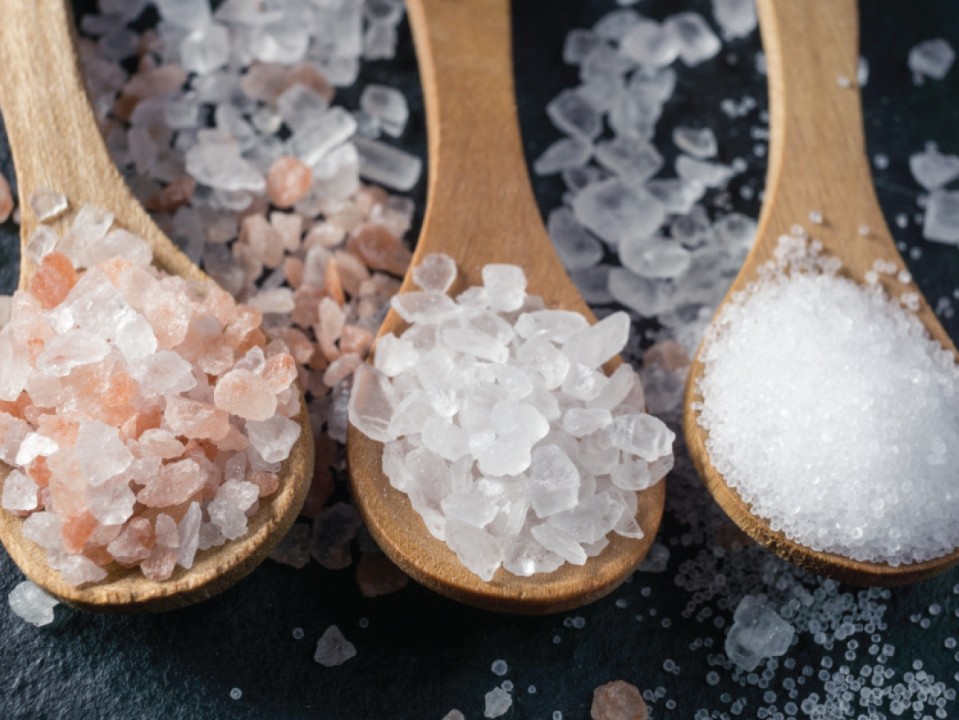
The pursuit of salt by wild animals resulted in tracks being worn to the sources, human’s observation of the wildlife and world around them led them to track animals to the natural source of salt in its various forms and locations.
Even today farmers provide salt blocks for livestock as salt is essential to maintain good health.
Early infrastructure and trade routes developed to facilitate a growing salt trade, salt in ancient times was a valuable commodity; a currency of the day prized by most cultures, religions and superstitions. The spilling of salt in the middle-ages was considered an omen, it was included in sacrifices to the gods, Muslims considered salt to protect against evil, a pinch of over the left shoulder as a remedy for the negative omen of a salt spill.
It was the first commodity of trade and its production was one of our first industries resulting in public works in the quest to obtain it. It was traded between Africa, Asia, the Middle East and Europe. The quest for salt resulted in trade routes and conflict, in a quest for power and wealth.
References to salt are with us to this day in terms like, the salt of the earth, and he’s worth his salt, as compliments.
New Zealand’s source of salt is largely desalination by natural evaporation in salt ponds located in Marlborough.
In upstate New York there are underground salt mines that can produce 18,000 tons per day. The Dead Sea (see image below) is a salt lake boarded by Jordan and Israel, this lake shows how massive salt deposits may have formed over time resulting in the massive underground salt deposits mined today.

Image Above: The Dead Sea – Borders Jordan and Israel
Salt – sodium chloride (NaCl) is a mineral and is composed of 40% sodium and 60% chloride by weight, it is our largest source of dietary sodium and may contain trace amounts of zinc, iron, iodine, potassium and calcium. Iodine was very often added and branded iodised salt. In the 40’s and 50’s goitres where quite common in New Zealand with the compulsory introduction and marketing of iodised salt goitres became a condition relegated to history. Goitres are a condition of the thyroid gland; the symptoms are swelling in the neck region as a result of an enlarged thyroid triggered by an autoimmune disease which doesn’t tend to develop if iodine is introduced to the diet.
It is interesting to note that women are more prone to develop goitres than men.
The media has unfairly villainised salt over recent years but salt is essential to maintain healthy body function, it supports tissue fluids, blood circulation an imbalance that results in high salt levels may result in blood pressure health conditions.