
FREE shipping within N.Z. on all orders over $100 - Same day dispatch if order is placed before 1pm
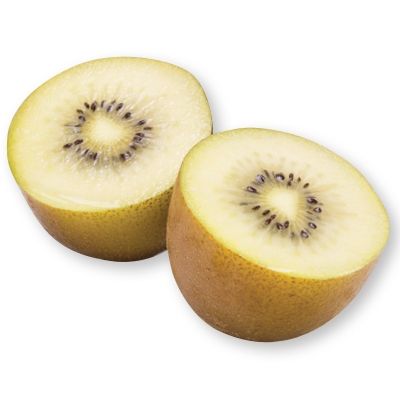
Kiwifruit despite the name they are not native to New Zealand, Mary Isobel Fraser returned from China in 1904 with seed she had gathered while visiting. They were planted in Wanganui in 1906 by Alexander Allison and the first crop was harvested in 1910, people described the flavour as gooseberry hence the initial name of Chinese gooseberry.
A reference to China during the cold war was not an option, various suggestions as to a new name were tried and in the late fifties Jack Turner suggested kiwifruit hence the modern reference to kiwifruit.
With breeding over the years the kiwifruit became a more commercial size and shape any of us who can remember theearly days the fruit tended to be small, smaller than today and of course we have the modern gold kiwifruit as a result of New Zealand breeding.
They are a rich source of antioxidants, fibre, potassium and folate, they are also a rich source of vitamins including vitamin C, K and vitamin E.
Kiwifruit naturally support the immune system, blood health and circulation, aid digestion as they are a rich source of fibre and a proteolytic enzyme called actinidin which breaks down protein. The proteolytic enzyme may also provide support for arthritis sufferers. A study in 2000 found a benefit to asthma sufferers; it is thought this is as a result of the vitamin C and kiwifruits antioxidant affect.
4 green kiwi fruit, diced
1 large red bell pepper
1 425gm can black beans drained and rinsed
1⁄4 cup chopped coriander
2 tsp lime or lemon zest
1⁄4 cup fresh lemon or lime juice
1 tbsp olive oil
1 clove garlic, chopped very finely
1⁄2 tsp oregano
1⁄2 tsp chilli powder
1⁄4 tsp salt
In a bowl combine kiwifruit, red pepper, black beans and coriander. In a jar combine dressing ingredients shake and pour half over the salsa.