
FREE shipping within NZ for orders over $100 - Same day dispatch if order is placed before 1pm.
Orders under $100 - Urban: $9.50/Rural: $11.50 within NZ.
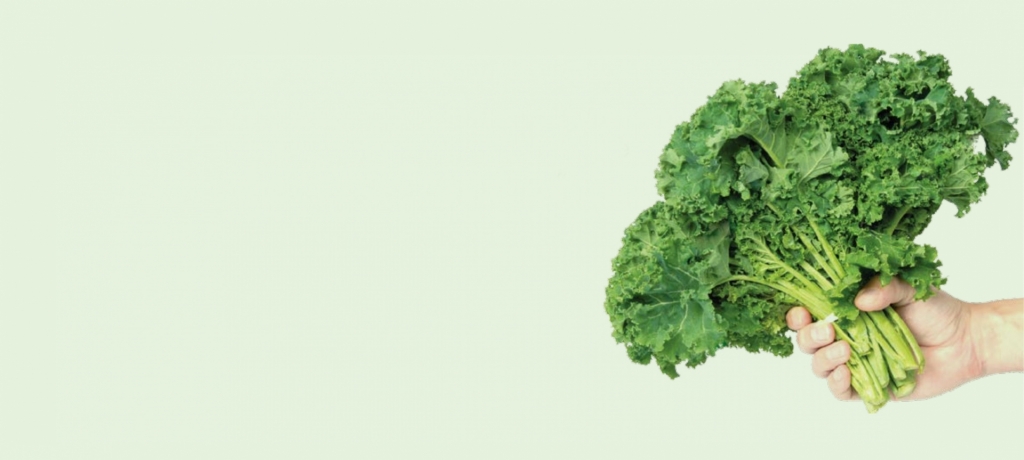
Kale is related to the cruciferous group of vegetables that includes broccoli, brussel sprouts, cabbage and cauliflower; it was the most widely eaten green vegetable until the middle ages when cabbage gained in popularity. Kale has been cultivated in Europe for over 2,000 years, it is particularly suited to cooler regions of the world and kale was a term used in Scotland in the 19th century as a generic term for dinner and or a cooking pot.
Kale is another one of those vegetables that when included in our diet is very often considered to be a superfood; it comes in many varieties of shape and colour, the leaves can be green or purple in colour and have either smooth or curly shape and contains very little fat but, a large proportion of the fat it contains is omega-3 fatty acid called alpha linolenic acid.
Given its low calorie content, kale is one of the most nutrient dense foods available, eating more kale is a great way to increase the total nutrient content in our diet. Kale is full of powerful antioxidants and is an excellent source of vitamin C, beta-carotene as well as various flavonoids and polyphenols.
1 bunch of kale, 1 tsp of salt, 1 tbsp of oil
Preheat the oven to 175 degrees C. With kitchen scissors cut the stems from the kale and cut into bite sized pieces about 1 1⁄2 inches. Wash and dry the kale. Place on baking try lined with baking paper and toss with the olive oil and salt. Bake until crisp about 10-15 minutes, the edges should look brown but not burnt.
Serve as finger food.