
FREE shipping within N.Z. on all orders over $100 - Same day dispatch if order is placed before 1pm
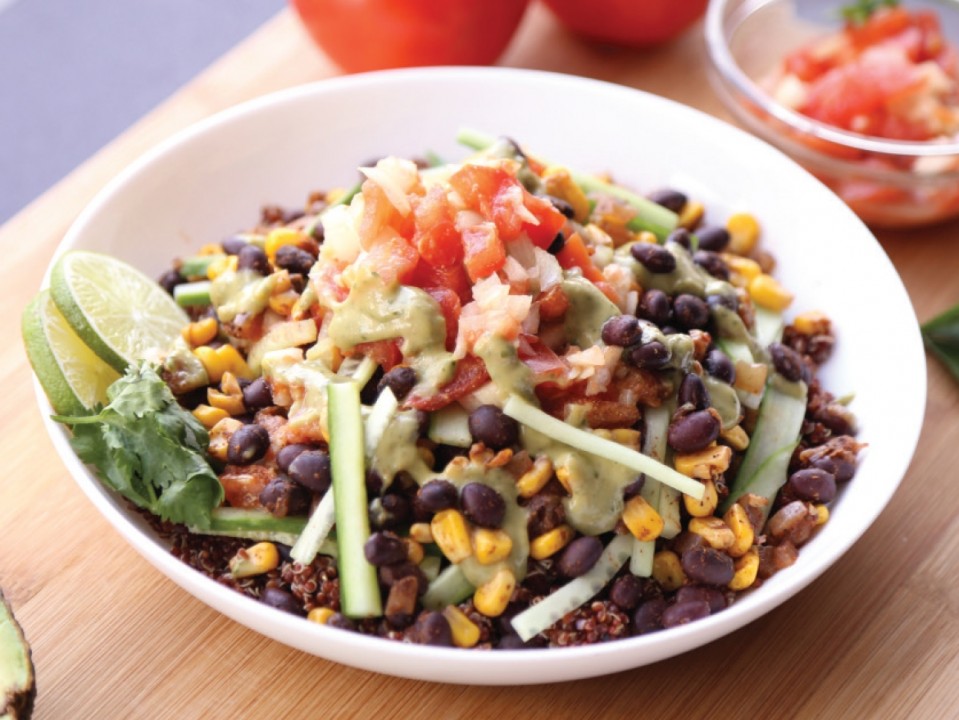
The history of beans and lentils as a food staple goes back 20,000 years through Roman, Greek and Egyptian periods well into pre-recorded times. Archaeologists have uncovered evidence supporting this in areas associated with ancient Egypt.
Beans are amongst the most versatile source of pro-tein, they are a food source people rely on globally; the types and varieties are extensive and they may be eaten fresh, dried or frozen.
Edible beans are a concentrated health promoting nutrient rich source of numerous minerals at the same time are relatively low source of calories, a source of iron, potassium, magnesium, folate, fibre but low in cholesterol, trans fats, sodium and sugar.
At this point let us differentiate between lentils and beans; lentils tend to be a richer source of vitamins and they tend to contain less starch per unit weight. Beans tend to generate more gas during the digestion process and they tend to require more time to cook.
Beans generally contain less fibre per unit than lentils; beans contain less fat per unit which makes them a suitable addition to our diet providing less sodium and calories while still providing the benefit as a source of essential fatty acids. The likes of soy beans
are a rich source of omega 3 fatty acids a combination of oats and other grains are a dietary option for a more vegetarian diet.
Beans are also an option for people with diabetic conditions as they are less likely to raise blood sugar levels, the fibre contained within beans can provide significant benefit to us.
Beans are versatile and maybe used as a substitute or an addition to dishes, soups, salads, stews and curries; they may be used as a meat saver or substitute to stretch a pack of mince.
In summary your imagination is the only limit to what you can do with the many types of lentils and beans available. As a stand by food reserve beans and lentils are a great option as they are so nourishing, versatile and convenient to store, especially for those of us with a squirrel rainy day prepper type mind set.
Bear in mind one of the more popular choices of beans is the red kidney bean for a number of reasons price, availability, flavour and colour, they must be soaked overnight, then change the soaking water (don’t add any salt as it can make the beans tough, you can add salt in the last few minutes of cooking) boil rapidly for 15-20mins turn down the heat and simmer until cooked.